
OpenAI Didn’t Buy a Podcast. It Bought Control of the Conversation.
When OpenAI acquired TBPN, a daily tech and business show followed closely by founders, executives, and investors, most people framed it as an unusual media deal.That framing misses the point.
This wasn’t a content experiment or a branding play.
It was a narrative strategy.
1. What TBPN Actually Is
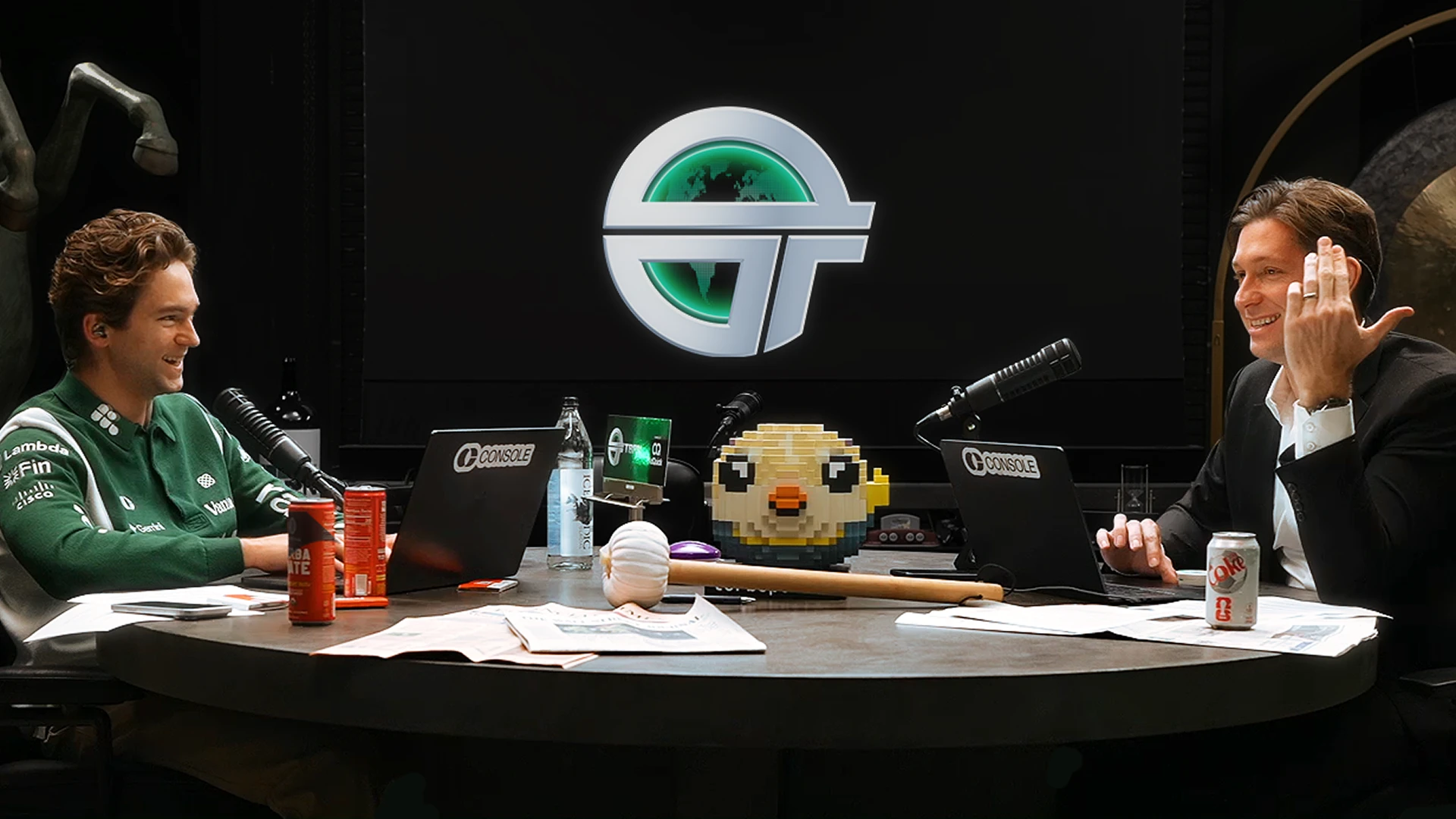
It’s a live, daily media operation where the tech industry talks to itself in real time. Founders. CEOs. Investors. Policy voices. Reactions to breaking news. Long-form conversations. Unfiltered takes.
It became influential not because it chased mass audiences, but because it built credibility with the people shaping the industry.
That’s the asset OpenAI bought.
Not views.
Not ad revenue.
Access.
Why This Isn’t Traditional PR
Most companies rely on PR firms to pitch stories through journalists they don’t control.
That approach is reactive by design:
- Wait for news
- Hope for fair framing
- Respond when narratives form elsewhere
OpenAI flipped that model.
Instead of pitching stories, they acquired a platform where those stories are formed in the first place — while publicly committing to TBPN’s editorial independence.
The result: a standing, owned channel where conversations about AI happen continuously, not just when press releases drop.
2. The Strategic Advantage
1. Distribution without mediation
OpenAI no longer relies solely on third‑party outlets to contextualise its work. The conversation happens on a platform it owns.
2. Narrative pacing
Daily media sets rhythm. Instead of reacting to cycles, OpenAI can participate in shaping which topics surface and how fast they evolve.
3. Trust through proximity
Because TBPN earned credibility before the acquisition, it already holds trust with its audience. That trust is far harder to buy than traffic.
This is influence through presence, not persuasion.
3. Why This Changes Tech Marketing
For years, “content marketing” meant blogs, brand videos, and social posts designed to push messaging.
This is different.
It’s closer to what legacy media companies once did — except now the company building the technology also owns a space where its impact is debated, criticised, and explained.
The implication is simple:
- Attention is more valuable than ads
- Distribution is more valuable than messaging
- Owning the platform beats pitching the platform
The Uncomfortable Question
OpenAI says TBPN will remain editorially independent, and that claim will matter over time.
Because there’s a real tension here.
When a company shaping foundational technology also owns a major venue where that technology is discussed, the line between conversation and influence gets thin — even with good intentions.
That doesn’t make the move wrong.
But it does make it consequential.
4. The Bigger Signal
This deal isn’t really about media.
It’s about power shifting away from institutions that explain technology after the fact, toward companies that want to participate in shaping understanding as it happens.
OpenAI didn’t eliminate PR.
They made it optional.
And whether this becomes the future of tech marketing, or a cautionary tale, depends on what happens next.